
5 hr
Bay of Plenty Dolphin & Wildlife Cruise
Half-day marine adventure exploring Tauranga's pristine coastal waters with dolphins, seals, and seabirds
Reserve
Hand-picked by our editors — only the best 5 marine experiences from 18 reviewed.
Verified partners for every tour, free cancellation where available, and instant confirmation on every booking.
5 hr
Half-day marine adventure exploring Tauranga's pristine coastal waters with dolphins, seals, and seabirds
Reserve
5 hr
Swim with playful dolphins and spot whales, penguins, and seals on this South Pacific marine adventure
Reserve
1 hr
Sail New Zealand's largest natural harbour aboard a historic kauri ferry with wildlife spotting and island access
ReservePrices from verified partners. Availability updates in real time at checkout. Free cancellation policies apply where shown.
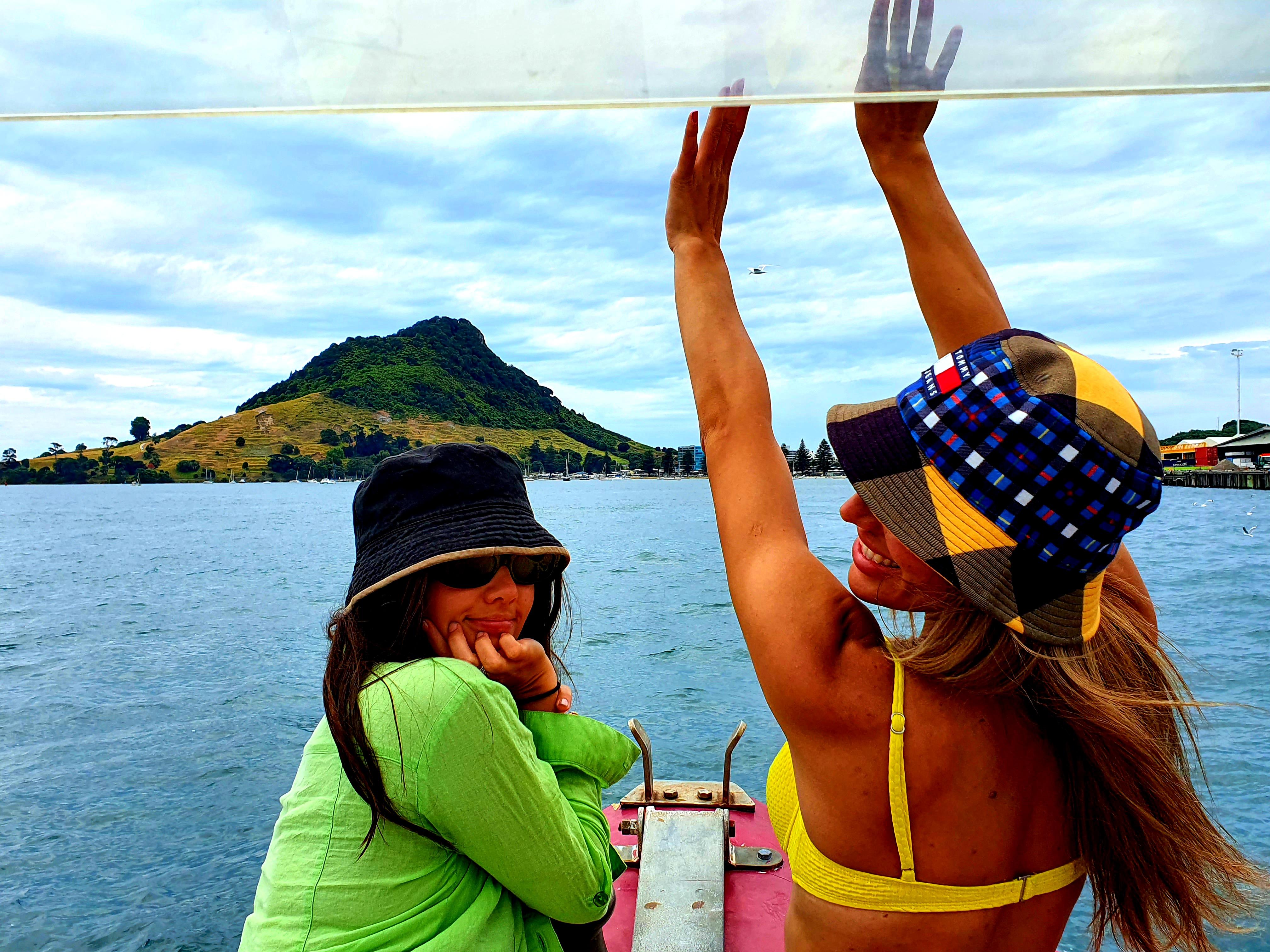
The landmarks, rooms, and views travelers on this tour remember — all visible on a single visit.
Observe the transition from the calm bay to the open ocean as you exit the harbor. This area is often home to sea birds and local marine life sightings.
Navigate to deep water where dolphin pods are frequently spotted during the tour. The crew provides commentary on the behavior and biology of the species encountered.
View the volcanic rock formations along the coastline during the transit to open water. These cliffs provide a dramatic backdrop for photography.
Learn about the diverse sea creatures that inhabit the waters around Tauranga during your dolphin wildlife cruise tauranga experience. The crew highlights specific facts about the local food chain.
On late afternoon sailings, enjoy the changing colors of the sky over the Pacific Ocean. It provides a peaceful conclusion to the dolphin wildlife cruise tauranga.
They complement each other; most visitors who do both call the Bay of Islands more consistent for sightings, while the Bay of Plenty offers a more expansive marine ecosystem. Choosing the right dolphin wildlife cruise tauranga tour depends on whether you prioritize high-density pods or diverse coastal landscapes.
| Feature | Top pick Tauranga Wildlife Cruise | Bay of Islands Watching |
|---|---|---|
Dolphin Population |
Common and Bottlenose | Bottlenose and Common |
Swimming Regulations |
DOC permit dependent | Strictly regulated by DOC |
Sighting Success |
High in open ocean | Very high due to geography |
Marine Diversity |
Orca, whales, and seals | Subtropical fish and penguins |
Boat Comfort |
Purpose-built exploration vessel | Catamarans with indoor seating |
| See tickets → |
Verdict: If you seek a broader variety of marine life, the dolphin wildlife cruise tauranga tickets provide superior value, whereas the Bay of Islands remains the premier choice for frequent interactions. Those purchasing dolphin wildlife cruise tauranga tours should focus on the Bay of Plenty's unique pelagic wildlife.
Choose your ticket, select your date, and reserve in under two minutes. Secure checkout handled by our verified partner.
Instant confirmation by email, with a mobile voucher you can save offline. No printing, no queuing at a collection desk.
Arrive at the entrance, show your voucher on your phone, and walk in. Most tickets include priority or skip-the-line access.
Practical details for your visit straight from our verified partners — hours, access, rules, and how to get there.
120 The Strand, Tauranga 3110
Main check-in desk for your dolphin wildlife cruise tauranga departure
Parking is available along The Strand or in nearby public lots. Allow extra time to walk from your vehicle to the 120 The Strand location
Local buses stop near the city center, a short walk from the waterfront. Check the Bay of Plenty regional routes for stops on The Strand
Wear warm, layered clothing as ocean temperatures remain cool even during summer. Non-slip footwear is required for safety on the boat deck.
Keep personal bags compact to ensure they fit under seating areas. Large hard-shell suitcases are not permitted on board the dolphin wildlife cruise tauranga vessel.
You are welcome to bring cameras to capture marine life sightings. Please use a neck strap to prevent equipment from dropping overboard during your dolphin wildlife cruise tauranga tour.
The vessel boarding process involves stepping from the pier, which may be challenging for those with limited mobility. Contact the operator before booking your dolphin wildlife cruise tauranga tickets to discuss specific requirements.
Mobile phone use is permitted, though service may be intermittent once you leave the harbor. Ensure your device is secured to avoid damage from sea spray.
Children are welcome on board, provided they are supervised by an adult at all times. Life jackets are provided in various sizes for younger passengers on every dolphin wildlife cruise tauranga excursion.
Passengers may bring light snacks and non-alcoholic beverages for the trip. Please ensure all waste is disposed of properly to protect the marine environment.
Animals are not permitted on the vessel, with the exception of registered service dogs. Please notify staff in advance if you plan to bring a service animal.
Weather conditions can impact the schedule of your dolphin wildlife cruise tauranga adventure. Always check your email for updates regarding departures due to sea states.
120 The Strand, Tauranga 3110
Main check-in desk for your dolphin wildlife cruise tauranga departure
Get directionsBest time to go, insider tips, nearby landmarks, and the cancellation fine print — flip through to skim what matters to you.
How crowds, weather, and events shift across the year.
December to February offers the calmest sea conditions for spotting pods. Temperatures are ideal for spending several hours on the water during a dolphin wildlife cruise tauranga tour.
March to May provides stable weather and clear water visibility. The crowds decrease, making it a great time for photography.
June to August is cooler, requiring warm gear, but offers chances to see migratory marine species. Check daily schedules for your dolphin wildlife cruise tauranga tickets.
September to November is a transition period with frequent wildlife activity. Early booking is recommended to secure spots on weekend sailings.
Small details that turn a good visit into a great one.
The sun reflects off the water, so apply sunscreen even on overcast days. A hat with a chin strap is highly recommended during a dolphin wildlife cruise tauranga excursion.
Take preventative measures if you are prone to motion sickness before boarding. Ginger tablets or bands can be effective for some passengers.
Wind chill increases significantly once the boat is underway. Bringing a windproof jacket ensures comfort for your dolphin wildlife cruise tauranga journey.
Bring a pair of binoculars to enhance your chances of spotting dolphins from a distance. Ask the crew for tips on where to look for activity.
Non-bookable sights within a short walk — free to visit, easy to pair.
Historic mission station featuring colonial architecture and gardens.
Contemporary exhibits located in the city center core.
Iconic mountain trail offering panoramic views of the coastline.
Flexible, no hidden fees.
Cancellations made within the operator's specified timeframe are subject to terms. Please note that the 175 NZD entrance fee is processed per adult for the half-day wildlife cruise.
Hand-picked options within walking distance — pick a district for vibe, or a specific hotel for convenience.
Convenient waterfront lodging near the departure point.
Upscale hotel overlooking the harbor with easy access to tours.
Self-contained units ideal for families visiting Tauranga.
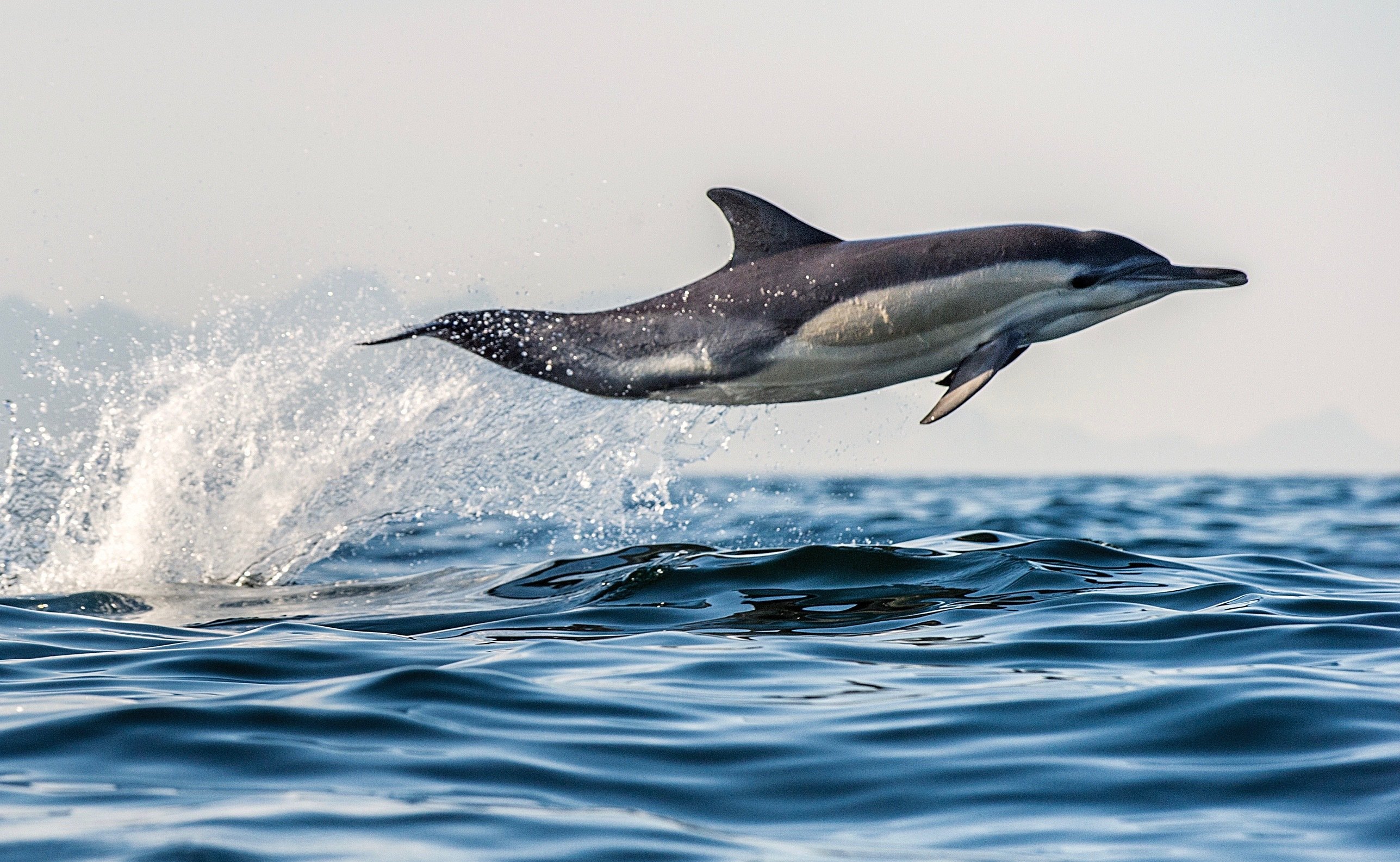
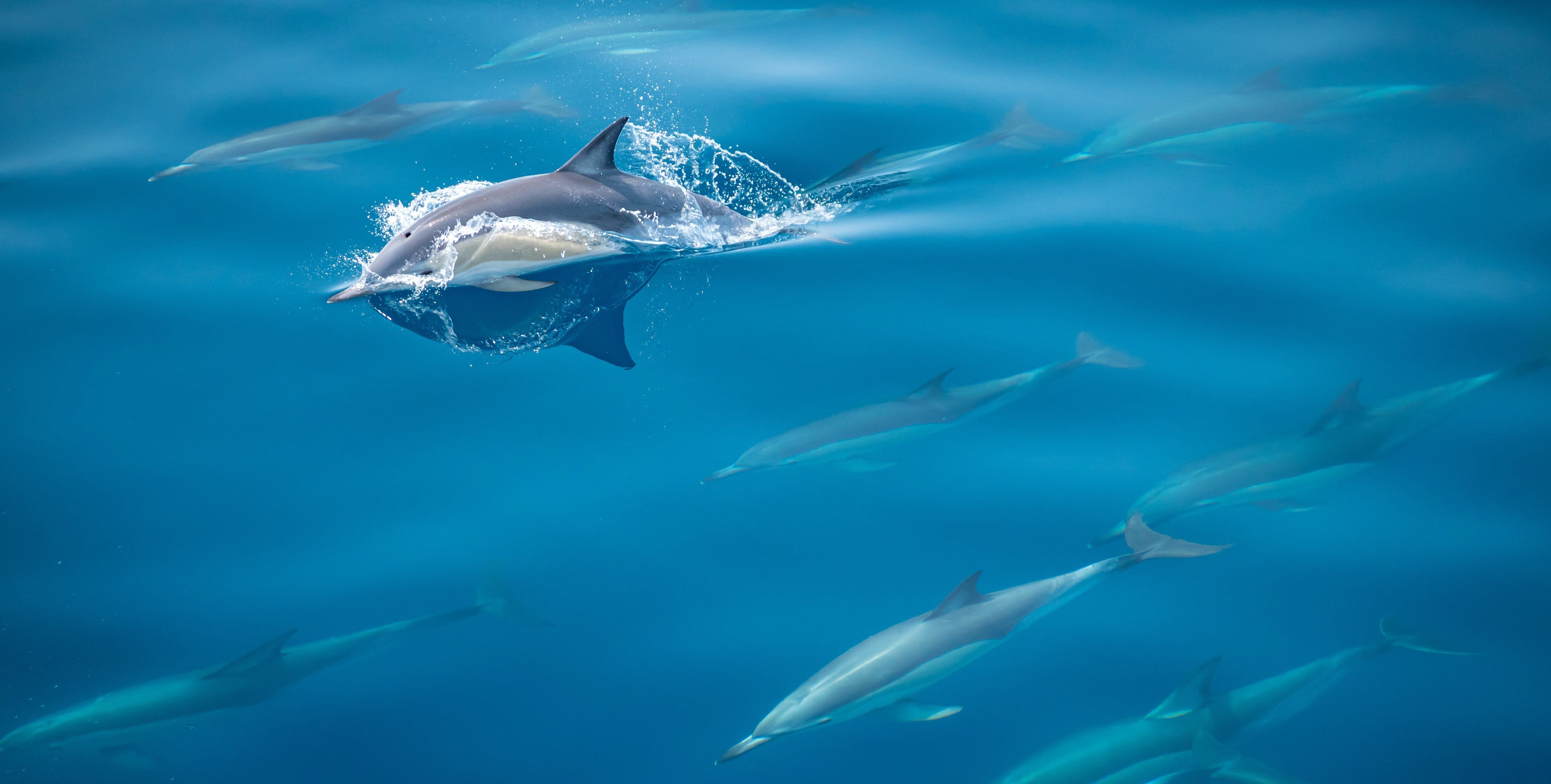
The Bay of Plenty sustains one of New Zealand's most accessible year-round populations of common dolphins, with resident pods numbering between 80 and 150 individuals documented by marine researchers since the early 2000s. The continental shelf drops away less than three nautical miles from Tauranga Harbour's entrance, creating nutrient upwellings that draw pilchards, kahawai, and mackerel schools — the prey base that keeps bottlenose and common dolphins within sight of Mount Maunganui's summit nearly every day of the year. Sightings exceed 95 percent across all seasons, a consistency rare among temperate-water dolphin habitats worldwide. Dolphin wildlife cruise Tauranga operations launched in the mid-1990s, when commercial fishing pressure declined and harbour traffic regulations formalized approach distances for marine mammals. The vessels working these waters today follow Department of Conservation guidelines that mandate 50-metre separation from resting pods and prohibit pursuit, allowing dolphins to initiate contact on their own terms. Bow-riding behaviour — when dolphins surf the pressure wave ahead of a moving hull — occurs on roughly two-thirds of encounters, with juveniles often leading the approach while adults hunt beneath. The cruise routes trace a predictable arc: departure from The Strand marina at 9:00, passage beneath the railway bridge into the main shipping channel, then a southeast bearing toward Motiti Island's western shore. Skippers monitor VHF radio chatter from fishing boats and cargo pilots, triangulating recent sightings before committing to deeper water. Once beyond the harbour mouth, the seabed drops from 12 metres to 60 metres within half a kilometre, and the water temperature shifts by two degrees — the thermal boundary where baitfish concentrate and predators congregate. Gannet colonies on Moturiki Island become visible to starboard, their dive-bombing feeding frenzies often signalling dolphin activity below. Beyond dolphins, the half-day itinerary yields fur seals hauled out on channel markers, orca pods during autumn migrations, and humpback whales between June and September. Onboard naturalists carry hydrophones to amplify echolocation clicks, and passengers frequently record breaches and tail slaps within 20 metres of the hull. The return leg skirts Matakana Island's northern tip, where shag rookeries cling to eroded clay cliffs and little blue penguins nest in driftwood tangles above the tide line.
"Sightings exceed 95 percent across all seasons, a consistency rare among temperate-water dolphin habitats worldwide."
A step-by-step walkthrough of the visit — what you'll see, how long each stage takes, and the details that matter.
You check in at 120 The Strand 30 minutes before departure, collecting a life jacket and boarding pass from the kiosk opposite the wharf gates. The vessel — a 12-metre catamaran with open bow seating and a sheltered cabin aft — idles against the pontoon as the skipper briefs the group on marine mammal protocols and assigns viewing stations. You claim a spot along the port rail, camera secured by lanyard, as the engines rumble to life and the harbour opens ahead. Ten minutes out, the radio crackles with a report: dolphins spotted off Moturiki Island, heading northwest. The skipper throttles up, and the hull rises onto plane, spray misting your face as Mount Maunganui's silhouette recedes. Within 15 minutes, dorsal fins slice the surface 200 metres ahead — a pod of eight common dolphins, travelling line abreast. The engines cut to idle, and the boat drifts. Three juveniles peel off and race toward the bow, their grey-and-cream flanks flashing beneath the waterline. You lean over the rail, close enough to hear the sharp exhalation as they surface, close enough to see the faint rake marks scarring their dorsals. The naturalist drops a hydrophone over the side, and the boat's speakers fill with rapid-fire clicks — echolocation pulses rebounding off the hull and the seabed below. A gannet plunges 30 metres off the starboard beam, disappearing in a plume of white water. The dolphins wheel and dive, and you lose sight of them for 40 seconds before they resurface behind the stern, now a group of twelve. The skipper restarts the engines, and the pod rides the bow wave for three unbroken minutes, matching the boat's seven-knot pace without visible effort.
The operator is open daily from 07:00–19:00. These hours apply throughout the week.
You should arrive between 08:30–09:00 for check-in before the 9:00 departure. This ensures the dolphin wildlife cruise tauranga departs on time.
Yes, children are welcome to participate in the dolphin wildlife cruise tauranga tours. Please ensure they remain supervised throughout the trip.
Vessel access involves stepping from the pier, so it may not be suitable for all wheelchairs. Please call +64 21 605 968 to discuss specific needs.
Cancellations are subject to the operator's policy. Note that the 175 NZD entrance fee is per adult for the dolphin wildlife cruise tauranga.
Yes, you may bring small snacks and water on your dolphin wildlife cruise tauranga trip. Please pack out all your trash to keep the ocean clean.
Public parking is available on The Strand near the dolphin wildlife cruise tauranga departure point. Check local signage for time restrictions.
There is limited space for bags on the boat deck during your dolphin wildlife cruise tauranga. Keep personal items to a minimum for a more comfortable experience.
If weather prevents the dolphin wildlife cruise tauranga from sailing, the operator will contact you directly to reschedule or provide a refund.
Yes, after your dolphin wildlife cruise tauranga, you can walk to The Elms or the Tauranga Art Gallery nearby.