
5 hr
Bay of Plenty Dolphin & Wildlife Cruise
Five-hour marine adventure departing Tauranga—spot dolphins, seals, seabirds, and more in pristine waters
Reserve
Hand-picked by our editors — only the best 5 experiences from 22 reviewed.
Verified partners for every tour, free cancellation where available, and instant confirmation on every booking.
5 hr
Five-hour marine adventure departing Tauranga—spot dolphins, seals, seabirds, and more in pristine waters
Reserve
5 hr
Swim alongside playful dolphins and spot whales, penguins, and seals in New Zealand's pristine waters
Reserve
8 hr
Full-day marine adventure aboard a custom-built vessel with dolphin swimming, guided snorkeling, and island barbecue lunch.
ReservePrices from verified partners. Availability updates in real time at checkout. Free cancellation policies apply where shown.
The landmarks, rooms, and views travelers on this tour remember — all visible on a single visit.
Coastal island featuring pristine white sandy beaches and native bush scenery.
Deep water channel offering unique navigational views and marine wildlife spotting opportunities.
The primary departure point for the tour located in a sheltered, scenic harbour basin.
Expansive ocean region known for diverse marine life, including dolphins, orca, and seals.
Iconic dormant volcanic peak visible from the water during the tauranga dolphin cruise.
The tauranga dolphin cruise is designed for marine wildlife enthusiasts seeking deep-sea encounters, while the historic ferry offers a relaxed look at local maritime heritage. Most visitors prioritize the dolphin tour for the adventure and the ferry for a quiet afternoon on the water.
| Feature | Top pick Tauranga Dolphin Cruise | Historic Harbor Ferry |
|---|---|---|
Wildlife Guarantee |
High probability encounter | No specific wildlife focus |
Primary Focus |
Oceanic marine life | Local harbor landmarks |
Time Commitment |
Half-day excursion | 1–2 hours |
Activity Level |
Active wildlife search | Passive scenic viewing |
Educational Content |
Marine biology insights | Local maritime history |
| See tickets → |
Verdict: If you are purchasing tauranga dolphin cruise tickets to see animals in their natural habitat, choose the dolphin excursion; otherwise, opt for the historic ferry to enjoy a shorter, culturally focused tauranga dolphin cruise tour.
Choose your ticket, select your date, and reserve in under two minutes. Secure checkout handled by our verified partner.
Instant confirmation by email, with a mobile voucher you can save offline. No printing, no queuing at a collection desk.
Arrive at the entrance, show your voucher on your phone, and walk in. Most tickets include priority or skip-the-line access.
Practical details for your visit straight from our verified partners — hours, access, rules, and how to get there.
Wear warm, layered clothing as ocean breezes can be chilly even in summer. Sturdy, non-slip footwear is recommended for safely navigating the deck of your tauranga dolphin cruise.
Keep bags compact to ensure they fit safely during your tauranga dolphin cruise. Security is managed by the crew; keep cellphones accessible for any direct communication from the operator.
This tauranga dolphin cruise is a photographer's dream with 360-degree views. Bring a camera with a zoom lens to capture wildlife safely without disturbing their natural behavior.
While the vessel design poses some challenges, the team can accommodate wheelchairs if informed at the time of booking. Please contact the staff regarding specific mobility needs for your tauranga dolphin cruise.
The tauranga dolphin cruise is an excellent family-friendly activity suitable for all ages. Kids often enjoy the wildlife spotting, though parents should supervise them on the open deck.
The tauranga dolphin cruise features a licensed bar with beer and wine. Guests are welcome to bring their own lunch or snacks to enjoy during the journey.
Best time to go, insider tips, nearby landmarks, and the cancellation fine print — flip through to skim what matters to you.
Flexible, no hidden fees.
Cancellations made at least 48 hours before the tauranga dolphin cruise departure receive a full refund. Cancellations within 48 hours or no-shows are non-refundable, though fees (typically 180 NZD) may be managed if the operator cancels due to weather.
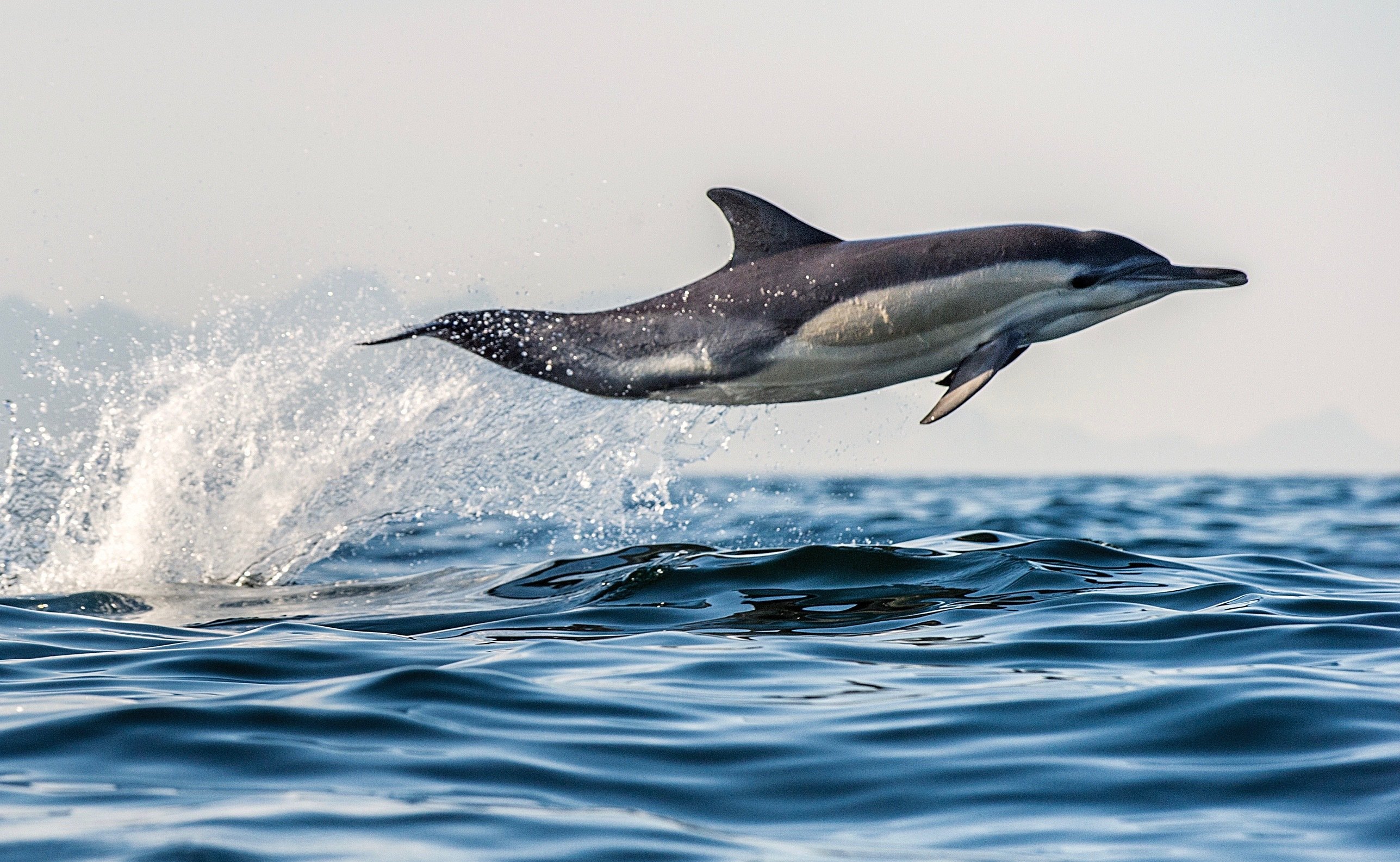
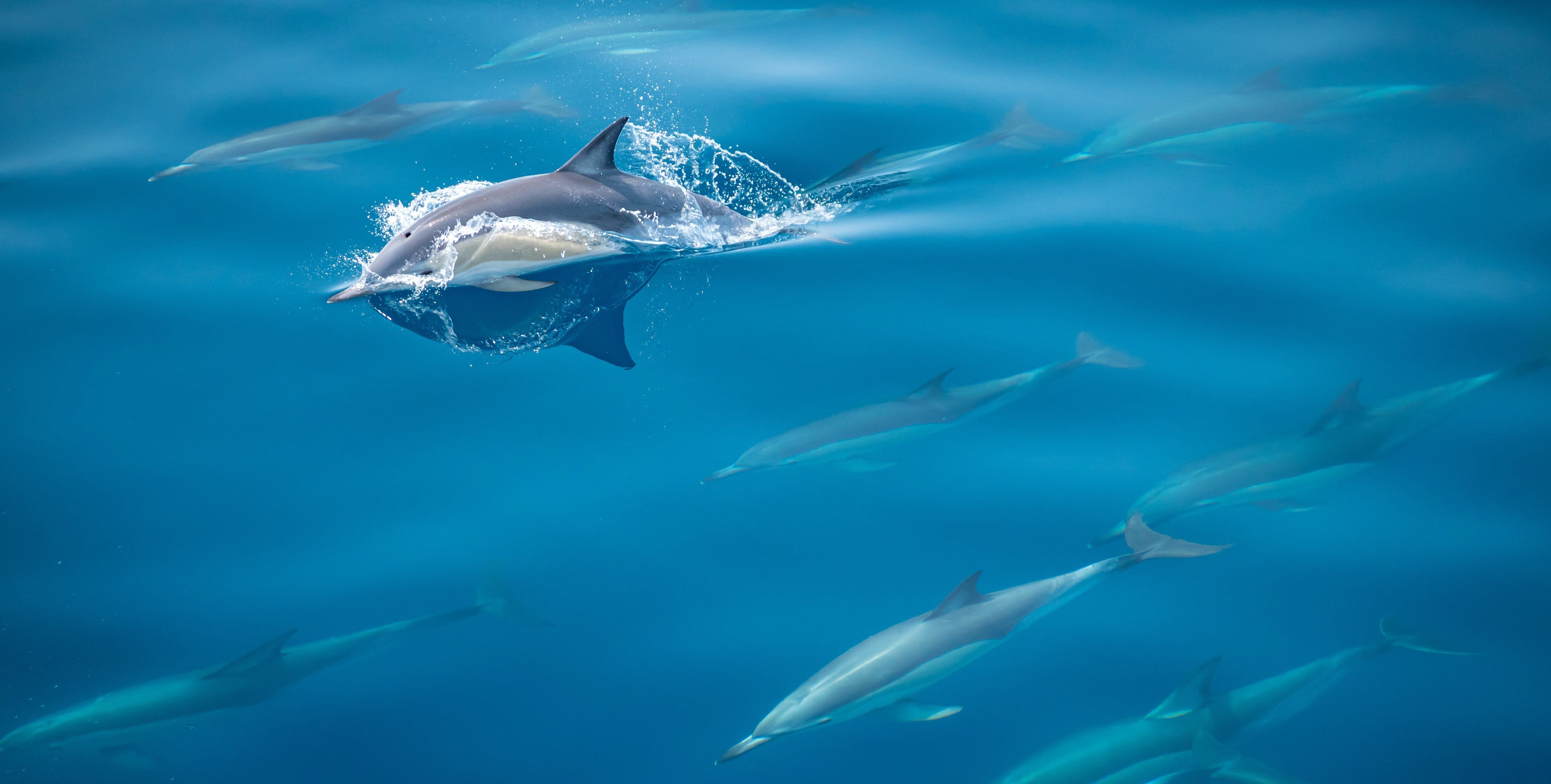
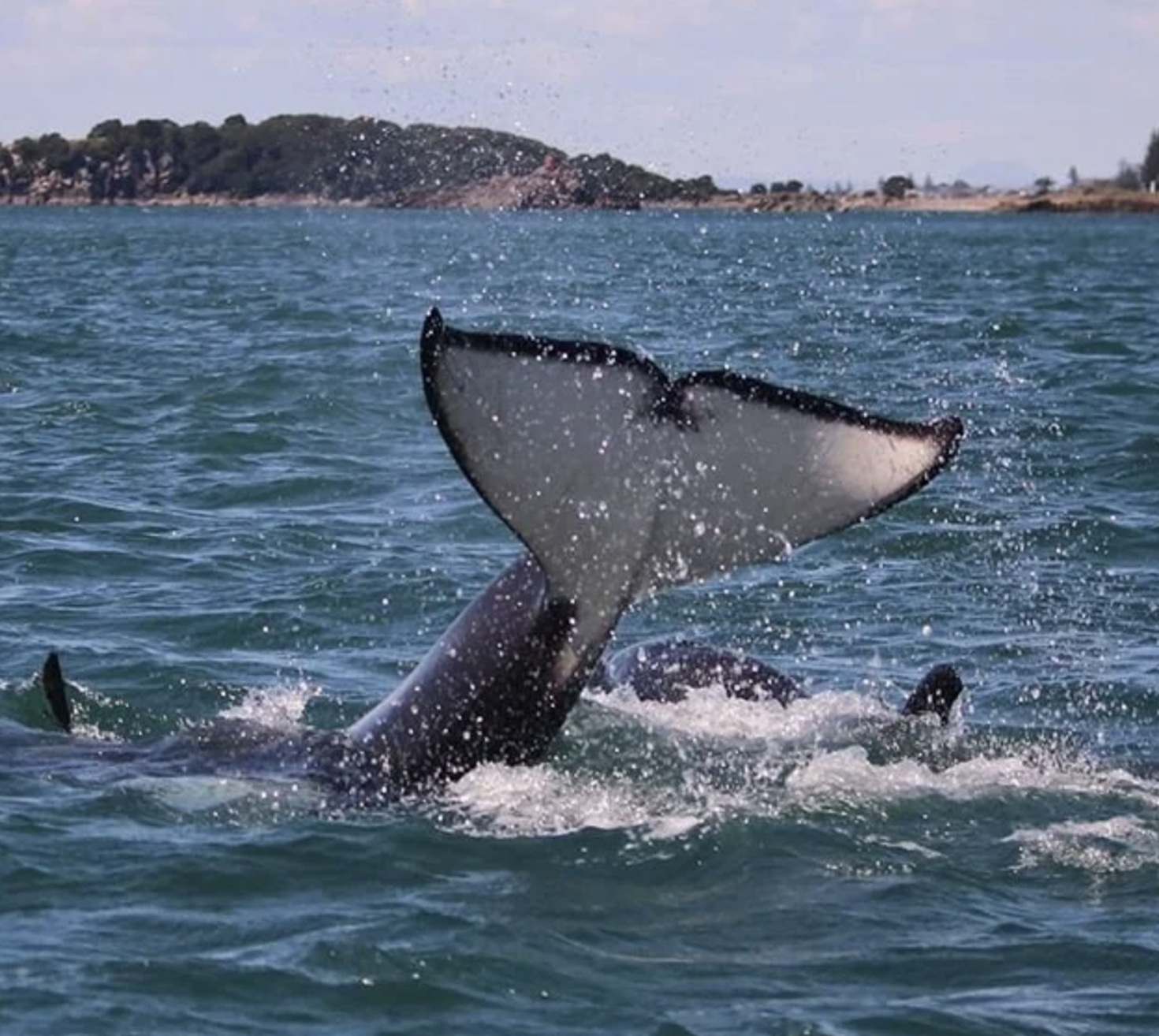
The Bay of Plenty earned its European name in 1769 when Captain Cook's crew observed Māori settlements thriving on abundant fish, shellfish, and fertile volcanic soil. That marine richness persists today. Common dolphins form super-pods of several hundred individuals in the bay's deeper channels between November and April, while bottlenose dolphins patrol the harbour's calmer waters year-round. New Zealand fur seals haul out on Mayor Island's western rocks and the Astrolabe Reef's submerged ledges, colonies numbering in the low thousands. Orca and humpback whales pass through during southern migrations, though sightings remain opportunistic rather than guaranteed. Tauranga's commercial dolphin cruise operators launch from the Bridge Marina, a reclaimed industrial berth redeveloped in the early 2000s. The marina sits at the confluence of Tauranga Harbour's main channel and the Waimapu Estuary, a geography that funnels tidal flow and concentrates baitfish. Most half-day wildlife tours follow a route northeast past Moturiki Island and the Mount Maunganui surf break, then turn east toward Mayor Island, a dormant rhyolite volcano 25 kilometres offshore. The island's steep submarine slopes create upwelling currents that draw plankton, anchovies, and the dolphins that hunt them. Skippers communicate sighting coordinates via marine radio, a practice that increases encounter rates but also concentrates vessel traffic during peak summer months. The Department of Conservation regulates all commercial dolphin encounters through a Marine Mammal Permit system introduced in 1992 and revised in 2008. Vessels must maintain a 50-metre exclusion zone unless dolphins initiate approach, a behaviour common among common dolphins but rare among bottlenose. Engine speed drops to idle within 300 metres of any pod. Swim-with-dolphin permits carry stricter conditions: no more than ten swimmers in the water simultaneously, no pursuit or interception of moving pods, immediate exit if calf behaviour suggests stress. These rules reduced average pod dispersal times from 14 minutes in the 1990s to under three minutes by 2010, according to University of Waikato monitoring data. Tauranga dolphin cruise tours depart daily between 09:00 and 14:00, with morning slots preferred for calmer sea conditions and higher dolphin activity linked to dawn feeding patterns. The Bay of Plenty's sheltered position behind Mayor Island and Motiti Island moderates swell, though southwesterly storms between May and August can produce two-metre chop inside the harbour. Most operators run modified fishing trawlers or custom catamarans with bow pulpits for viewing and hydraulic swim platforms. Onboard marine biologists, a feature added by several operators after 2015, provide species identification and behaviour interpretation, distinguishing porpoising travel patterns from coordinated hunting dives. The combination of reliable sightings, accessible departure points, and regulatory oversight has positioned Tauranga as New Zealand's second-busiest dolphin tourism hub after Kaikoura, with approximately 18,000 passenger trips recorded in the 2025 season.
"The Bay of Plenty's sheltered position behind Mayor Island moderates swell, while tidal flow through the harbour's main channel concentrates the baitfish that draw hunting dolphins."
A step-by-step walkthrough of the visit — what you'll see, how long each stage takes, and the details that matter.
You board at Tauranga Bridge Marina's D1 berth thirty minutes before departure, time allocated for safety briefing and wetsuit fitting if you've chosen a swim option. The vessel clears the harbour's navigation markers by 09:30, passing the Mount Maunganui base track on the starboard side as the skipper opens throttle toward the outer bay. Within twenty minutes you're scanning the horizon for dorsal fins, often spotted first by the fluke-shaped spray of a surfacing pod. When contact is made, the boat slows to idle and drifts parallel to the pod's travel line. Common dolphins approach the bow, riding the pressure wave in tight formation, their grey-and-ochre flanks visible just below the surface. You count twelve, then twenty, then lose track as juveniles peel off to investigate the hull. The marine biologist points out a mother-calf pair, the calf's smaller dorsal fin tucked close to her flank. If conditions permit and the pod remains engaged, swimmers enter via the stern platform, snorkels fitted, instructed to float passively and let the dolphins circle. The return leg often detours past Moturiki Island's rocky eastern face, where fur seals bask on ledges slick with kelp. The skipper cuts the engine twenty metres offshore; you hear their barking calls over the hull creak and wave slap. Mayor Island's silhouette recedes astern as the boat turns back through the harbour entrance, threading the channel markers in reverse order, the Bridge Marina's jetties appearing off the port bow by early afternoon.
The tauranga dolphin cruise operates daily from 09:00–14:00.
Yes, the tauranga dolphin cruise is a family-friendly activity suitable for all ages.
Yes, tauranga dolphin cruise tickets can be purchased via the official website.
If a tauranga dolphin cruise is cancelled by the operator due to weather, a full refund or reschedule is provided.
Yes, your tauranga dolphin cruise includes a licensed bar, and you may bring your own snacks.
The vessel can accommodate some needs, but please notify the tauranga dolphin cruise team when booking.
Bring layers, sunscreen, and a camera for your tauranga dolphin cruise.
The departure is at Tauranga Bridge Marina, Berth D1 for every tauranga dolphin cruise.
Yes, photography is encouraged on the tauranga dolphin cruise to capture the marine wildlife.