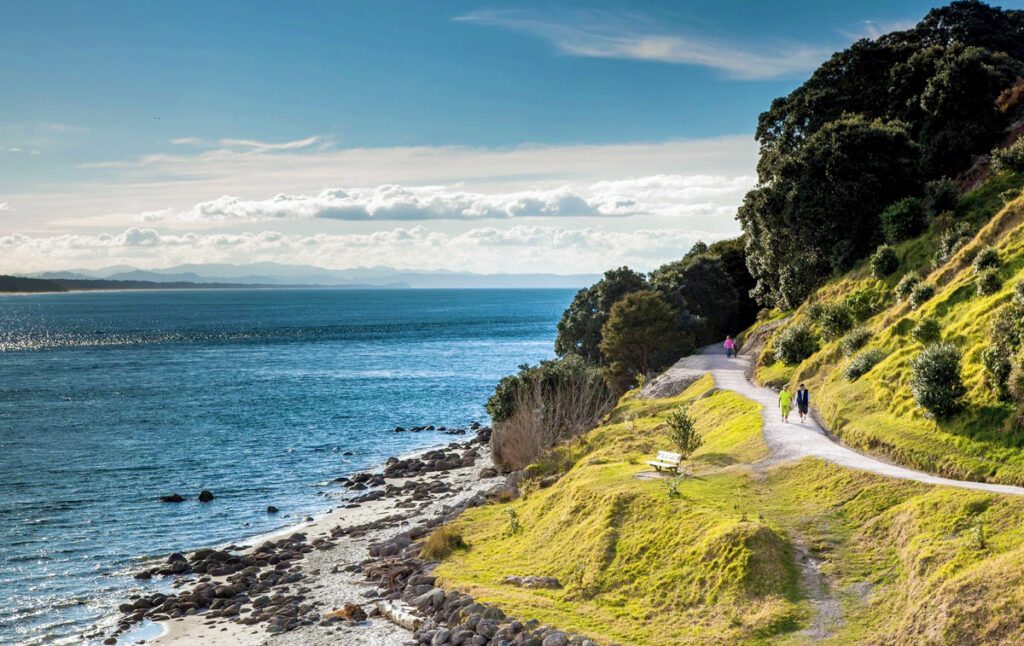
Mount Maunganui Base Track
This 3.4-kilometer path encircles the base of the extinct volcanic cone, offering consistent views of the Pacific Ocean and local coastline.
Walk the track clockwise for better harbor perspectives.

Tauranga sits at the edge of the Bay of Plenty, where urban energy meets Pacific beaches and geothermal hinterland. Whether the city justifies a dedicated stop depends on what kind of traveler you are and how much time you're allocating to New Zealand's North Island. This guide weighs the concrete attractions, access logistics, and visitor experience against the opportunity cost of your itinerary.
Quick answer
Tauranga is worth visiting if you prioritize coastal scenery, accessible outdoor activities, and a relaxed urban base over dense cultural landmarks. The city offers free access to Mount Maunganui's summit trails, extensive surf beaches, and dolphin-watching opportunities in the harbor, with visitor services operating daily between 09:00 and 17:00. Most travelers allocate two to three days to experience the beaches, harbor excursions, and nearby geothermal sites without feeling rushed.
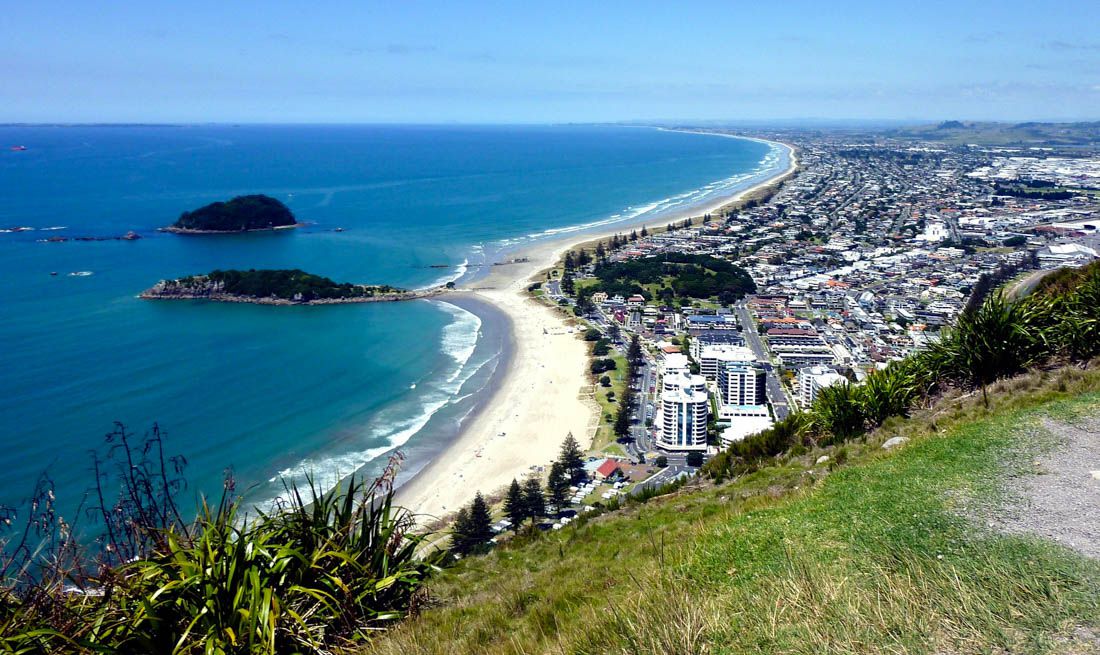
Tauranga handles more cruise ship arrivals than any other New Zealand port, yet the city itself remains a working harbor rather than a built attraction. The draw is geographic: Mount Maunganui anchors the eastern edge with a 232-meter volcanic cone surrounded by white-sand beaches, while the harbor stretches inland toward geothermal zones and kiwifruit orchards that supply a third of the world's crop. Visitors asking whether Tauranga merits a detour are usually weighing it against Rotorua's geothermal intensity or the Coromandel's dramatic coastline. Tauranga's strength is accessibility—surf breaks, walking tracks, and dolphin tours operate year-round without the advance booking pressure of more concentrated sites. The Mount Maunganui Base Track loop takes 45 minutes and delivers 360-degree views across the Bay of Plenty and Tauranga Harbour. Ocean Beach runs eleven kilometers from the mount to Papamoa, patrolled in summer and open to swimmers of moderate confidence. The harbor itself supports a resident pod of common dolphins, and guided excursions departing from the city's waterfront typically encounter marine life within thirty minutes of leaving the marina. Entry to the city and its public natural spaces costs nothing; the expense comes from tours, accommodation, and dining rather than gate fees. McLaren Falls Park, twenty minutes inland, adds waterfalls and glow-worm displays to the mix without requiring a full-day commitment. Deciding if Tauranga deserves space on your North Island route depends on whether you value distributed outdoor options over singular iconic sites. The city doesn't compete with Milford Sound or Tongariro for dramatic impact, but it offers a functional base for beach access, marine encounters, and low-key exploration across the Bay of Plenty's broader geography. Travelers prioritizing coastal activity over cultural density will find the investment justified; those building an itinerary around museums, heritage precincts, or concentrated sightseeing may find the city too diffuse to anchor a multi-day stay.
“Tauranga's strength lies in its accessibility—surf, trails, and dolphin tours operate year-round without the booking pressure of more concentrated sites.”
Tauranga is best visited between December and March for outdoor water activities, though the shoulder months of April and October offer milder conditions. Plan your daily activities within the 09:00–17:00 arrival window to ensure full access to visitor services and local attractions.
Warm, 20°C to 25°C
Peak period for beach activities and water-based tours.
Mild, 15°C to 22°C
Favorable weather for hiking and exploring the coastline.
Cool, 10°C to 15°C
Quieter period suitable for indoor attractions and lower-density outings.
—
The 09:00–17:00 arrival window provides optimal access to retail, visitor services, and essential amenities.
Verdict: For the best balance of weather and service availability, aim for weekdays between 09:00 and 17:00 during the shoulder months of April or October.
Tauranga is defined by its coastal geography, centered around the sheltered waters of the harbor and the prominent volcanic peak that guards the entrance. These natural features provide the foundation for exploring the Bay of Plenty's maritime environment.
This 3.4-kilometer path encircles the base of the extinct volcanic cone, offering consistent views of the Pacific Ocean and local coastline.
Walk the track clockwise for better harbor perspectives.
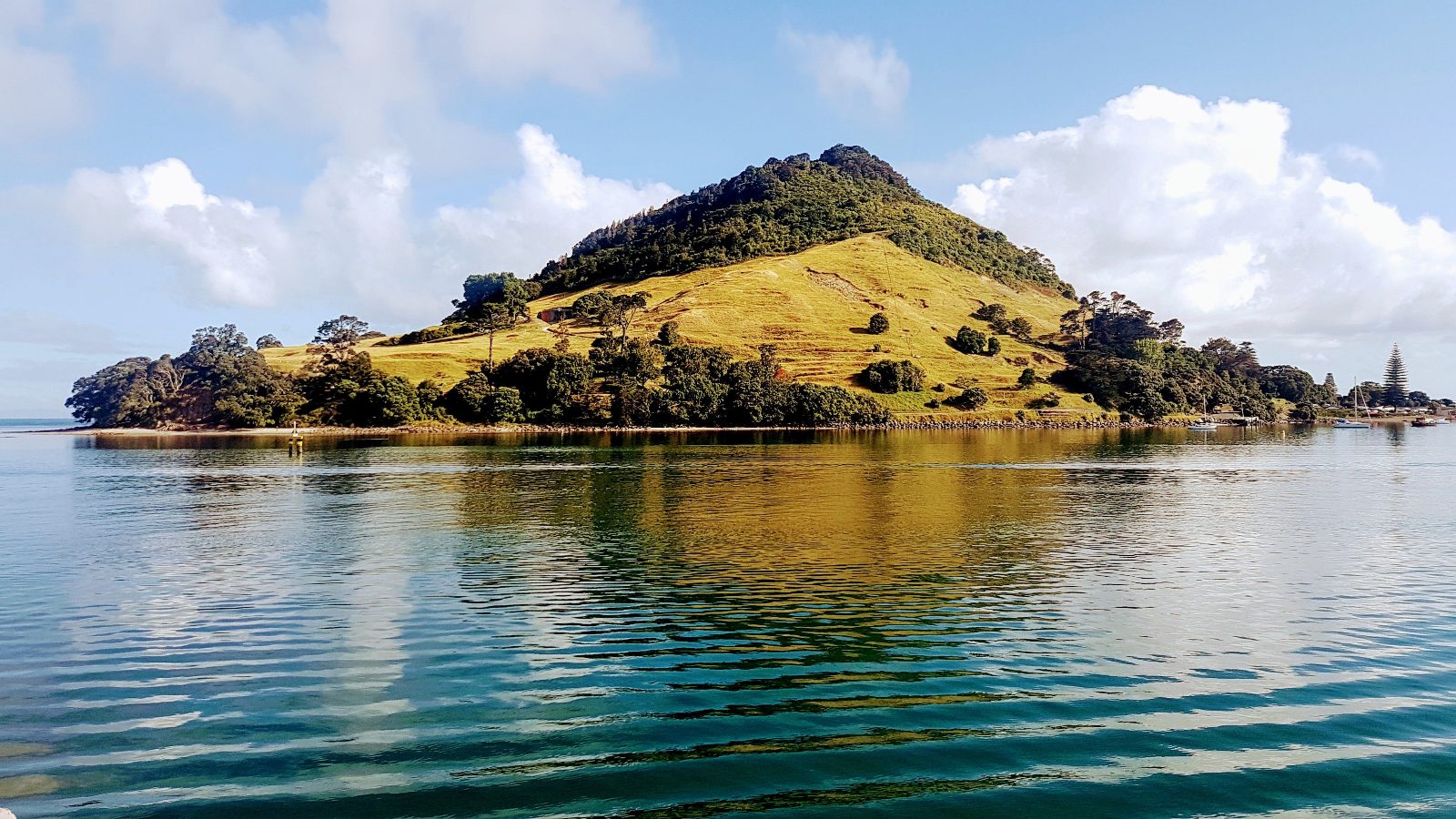
The large, sheltered estuary serves as the primary hub for marine activity, including dolphin viewing excursions and recreational boating.
Access the waterfront at high tide for calmer water conditions.
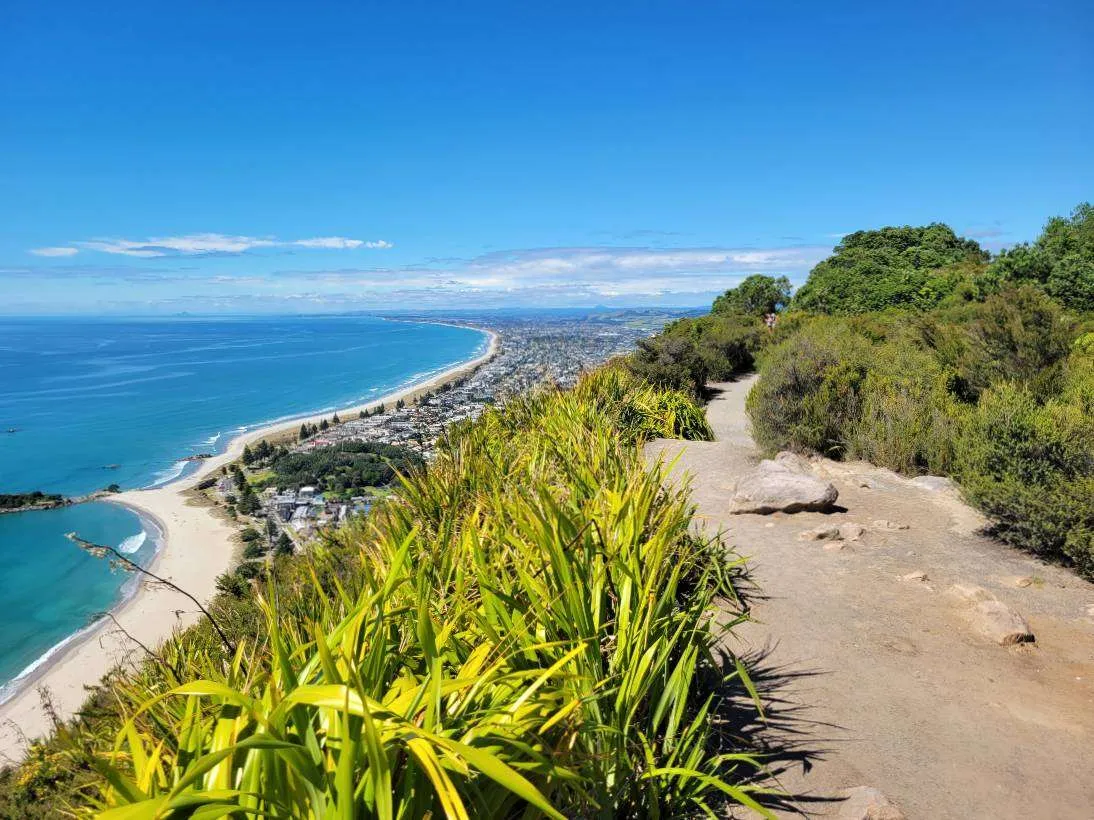
Rising 232 meters above sea level, this landmark provides a vantage point over the entire peninsula and the surrounding bay.
Start the hike early to avoid midday heat on the incline.
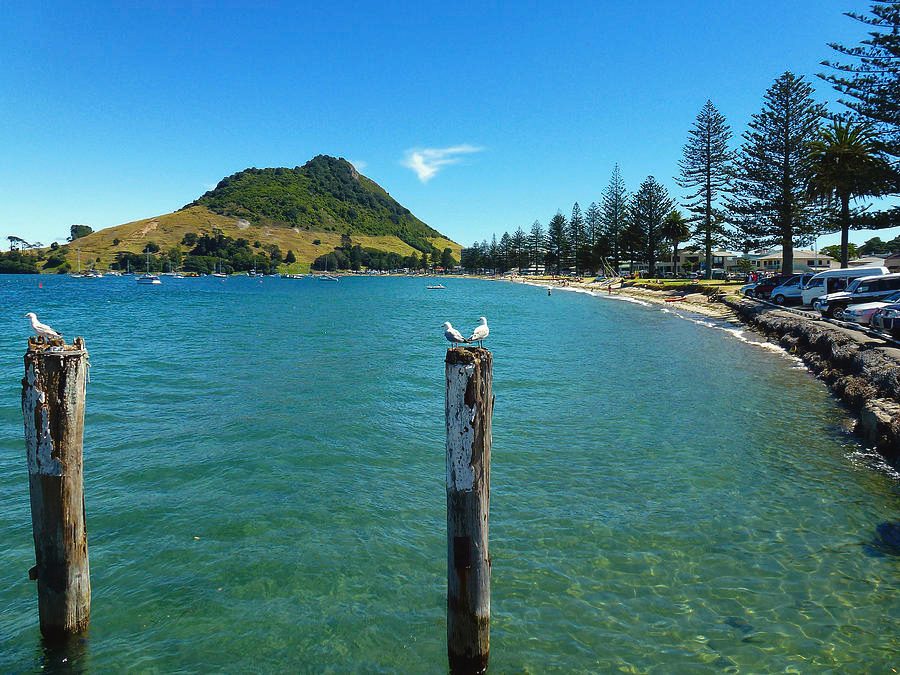
Located on the western side of the peninsula, this beach faces the inner harbor and provides protected waters for swimming and kayaking.
Visit during sunset to watch ships pass through the channel.
Tauranga is located in the Bay of Plenty on the North Island of New Zealand. Most visitors arrive via State Highway 2 or through domestic air services.
State Highway 2 from Auckland
InterCity service to Tauranga Central
Air New Zealand to Tauranga Airport (TRM)
For the best access to visitor services, retail, and main attractions, plan your arrival between 09:00–17:00.
Tauranga operates as a public city, meaning access to the urban area and natural landscapes does not require an entrance fee. Visitors may explore these public spaces without paying for admission.
Verdict: A typical adult pays 0 NZD for city entry, though individual activity costs vary based on specific commercial tours.
Tauranga city services operate throughout the week to accommodate visitors. You can access public information and city resources during these hours.
Everything you need to know about is tauranga worth visiting
Many travelers find that is tauranga worth visiting because it offers a blend of coastal relaxation and urban convenience. The city serves as an accessible gateway to the wider Bay of Plenty region. It is perfectly possible to experience the highlights within a single day.
A visit to this coastal destination is worthwhile due to its significant harbor, local heritage, and proximity to iconic geothermal and marine environments. Determining if is tauranga worth visiting often comes down to your interest in maritime activities and Pacific culture. The area provides a distinct atmosphere compared to larger metropolitan hubs.
Families often conclude that is tauranga worth visiting because of the abundance of public parks, safe swimming beaches, and accessible coastal walkways. These outdoor spaces allow for flexible itineraries that cater to younger travelers. Many public facilities are maintained to high standards for community use.
When considering is tauranga worth visiting, it is recommended to focus on the harbor area and Mount Maunganui. Planning your itinerary around the best arrival window helps you navigate visitor services and retail areas effectively. Local landmarks are generally grouped to minimize travel time between stops.
The region remains accessible year-round, meaning is tauranga worth visiting regardless of the season. While summer provides peak conditions for water activities, the milder months offer quieter trails and easier parking at popular scenic points. Visitor infrastructure remains operational throughout the year.
Entrance to the city and public natural attractions is 0 NZD. You will not encounter entry fees for general access to the city's main public spaces. This makes it a cost-effective destination for independent exploration.
Joining a marine excursion allows you to view local wildlife in their natural habitat within the Bay of Plenty. These tours provide specialized insight into the coastal ecosystem that you would not gain from the shore alone. Booking a tour is a common way to deepen your connection to the region's marine life.
Tauranga Dolphin Cruises
Read more Tickets & toursTauranga Dolphin Tour Options
Read more Tickets & toursTauranga Dolphin Watching Tours
Read more Tickets & toursBoat Tours in Tauranga
Read more Tickets & toursTauranga Dolphin Wildlife Cruise
Read more GuideHow Much Are Dolphin Tours?
Read more GuideCan You Swim With Dolphins in New Zealand?
Read more Tickets & toursTauranga Dolphin Swim Experiences
Read more Tickets & toursWhale and Dolphin Watching in Tauranga
Read more