Tauranga Dolphin Tours
Tours & tickets

Hand-picked by our editors — only the best 5 marine wildlife experiences from 23 reviewed.

Open today 07:00–19:00
Attendance: Moderate — summer peak season
Arrive by 08:30 for the 09:00 departure.
Free cancellation Instant confirmation Mobile voucher Verified partner Book now, pay later
Tickets

Choose your ticket

Verified partners for every tour, free cancellation where available, and instant confirmation on every booking.

Bay of Plenty Dolphin & Wildlife Cruise 5 hr
Standard Entry

Bay of Plenty Dolphin & Wildlife Cruise

4.4 (104)
€89
per person
Instant Mobile voucher Flexible — change up to 24h

Five-hour marine adventure through pristine waters with dolphins, seals, and seasonal wildlife

Reserve
Wild Dolphin Encounter in Bay of Plenty 5 hr
Standard Entry

Wild Dolphin Encounter in Bay of Plenty

4.3 (171)
€91
per person
Instant Mobile voucher Flexible — change up to 24h

Swim with playful dolphins and spot whales, penguins, and seals on this half-day marine adventure

Reserve

Prices from verified partners. Availability updates in real time at checkout. Free cancellation policies apply where shown.

Highlights

What you'll see inside the attraction

The landmarks, rooms, and views travelers on this tour remember — all visible on a single visit.

360-degree Panoramic Deck

Experience unobstructed marine views from the largest wildlife charter boat in the region, designed for photography and search efforts.

Enclosed Lower Lounge

Relax in a climate-controlled cabin area that provides comfort during transition periods between wildlife sightings.

Licensed Bar

Enjoy a selection of cold beer, wine, and non-alcoholic beverages while cruising the Bay of Plenty coastline.

Island Stopover

Depending on weather conditions, tours often include a stop at a sheltered island cove for swimming or paddleboarding.

Marine Biology Commentary

Expert crew members and biologists provide insights into the local ecosystem, marine habits, and regional history.

Head to head

Dolphin and Whale Watching Tauranga: Bay Explorer Cruises vs Private Charter Vessels

Bay Explorer cruises provide a structured, social marine expedition, while private charters offer a tailored, intimate experience; most visitors who do both call the private option more flexible for small groups.

Feature Top pick Bay Explorer Private Charter
Vessel Size
Small to medium powerboat
Group Capacity
Private exclusive groups
Customization Level
High itinerary flexibility
Departure Consistency
On-demand or variable
Educational Focus
Informal skipper-led briefing
Price Point
Varies by vessel and duration

Verdict: Choose dolphin and whale watching tauranga tours for a cost-effective group outing, or select a private charter if you require specific dolphin and whale watching tauranga tickets for a customized journey to locate local marine mammals.

How your ticket works

Book your ticket in 3 steps

  1. 01

    Book online

    Choose your ticket, select your date, and reserve in under two minutes. Secure checkout handled by our verified partner.

  2. 02

    Receive your mobile voucher

    Instant confirmation by email, with a mobile voucher you can save offline. No printing, no queuing at a collection desk.

  3. 03

    Show & enter

    Arrive at the entrance, show your voucher on your phone, and walk in. Most tickets include priority or skip-the-line access.

Plan your visit

Everything you need to know before you go

Practical details for your visit straight from our verified partners — hours, access, rules, and how to get there.

Open today · 07:00–19:00
Opening Hours
07:00–19:00
Address
120 The Strand, Tauranga 3110, New Zealand
Accessibility
Vessel is not wheelchair friendly but can accommodate if advised in advance
Best arrival window
08:30–08:30
Storage
Bag storage available onboard for personal belongings
Departure Point
The Strand, Tauranga City Waterfront
Mon
07:00–19:00
Tue
07:00–19:00
Wed
07:00–19:00
Thu
07:00–19:00
Fri
07:00–19:00
Sat
07:00–19:00
Sun
07:00–19:00
Location

Address
120 The Strand, Tauranga 3110, New Zealand
Storage
Bag storage available onboard for personal belongings
Departure Point
The Strand, Tauranga City Waterfront

Dress code

Dress in layers to adjust for changing sea temperatures, including a windbreaker or light jacket. Wear flat-soled, grippy footwear suitable for a boat deck.

Bags & security

Passengers are encouraged to carry mobile phones for contact purposes. Storage is provided on the vessel for personal bags and extra clothing.

Photography

The vessel features a 360-degree panoramic deck perfect for capturing marine life. Bring a camera or smartphone to record sightings of common dolphins, orcas, and seabirds.

Accessibility

While the vessel is not wheelchair friendly by design, the operator can accommodate guests with physical needs if informed at the time of booking.

What to bring

  • Sunhat
  • Polarised sunglasses
  • Reef-safe sunscreen
  • Camera
  • Motion sickness medication
  • Windbreaker
  • Water

Not allowed

  • High heels
  • Hard-soled dress shoes
  • Loose sandals
  • Heavy denim
  • Unsecured gear
  • Dangerous items
  • Illegal substances
  • Glass bottles

Families & strollers

The wildlife cruise is a popular family-friendly activity in Tauranga. Children are welcome to join and experience nature under the guidance of expert marine biologists.

Food & drink

A licensed bar is available on board serving cold drinks. Passengers may bring their own snacks or utilize the on-board BBQ facilities.

Around your visit

Everything else worth knowing

Best time to go, insider tips, nearby landmarks, and the cancellation fine print — flip through to skim what matters to you.

Cancellation policy

Flexible, no hidden fees.

You may cancel your booking anytime up until 48 hours before the time of departure without penalty. No refunds are available for cancellations within 48 hours or for no-shows.

About

The place, in context

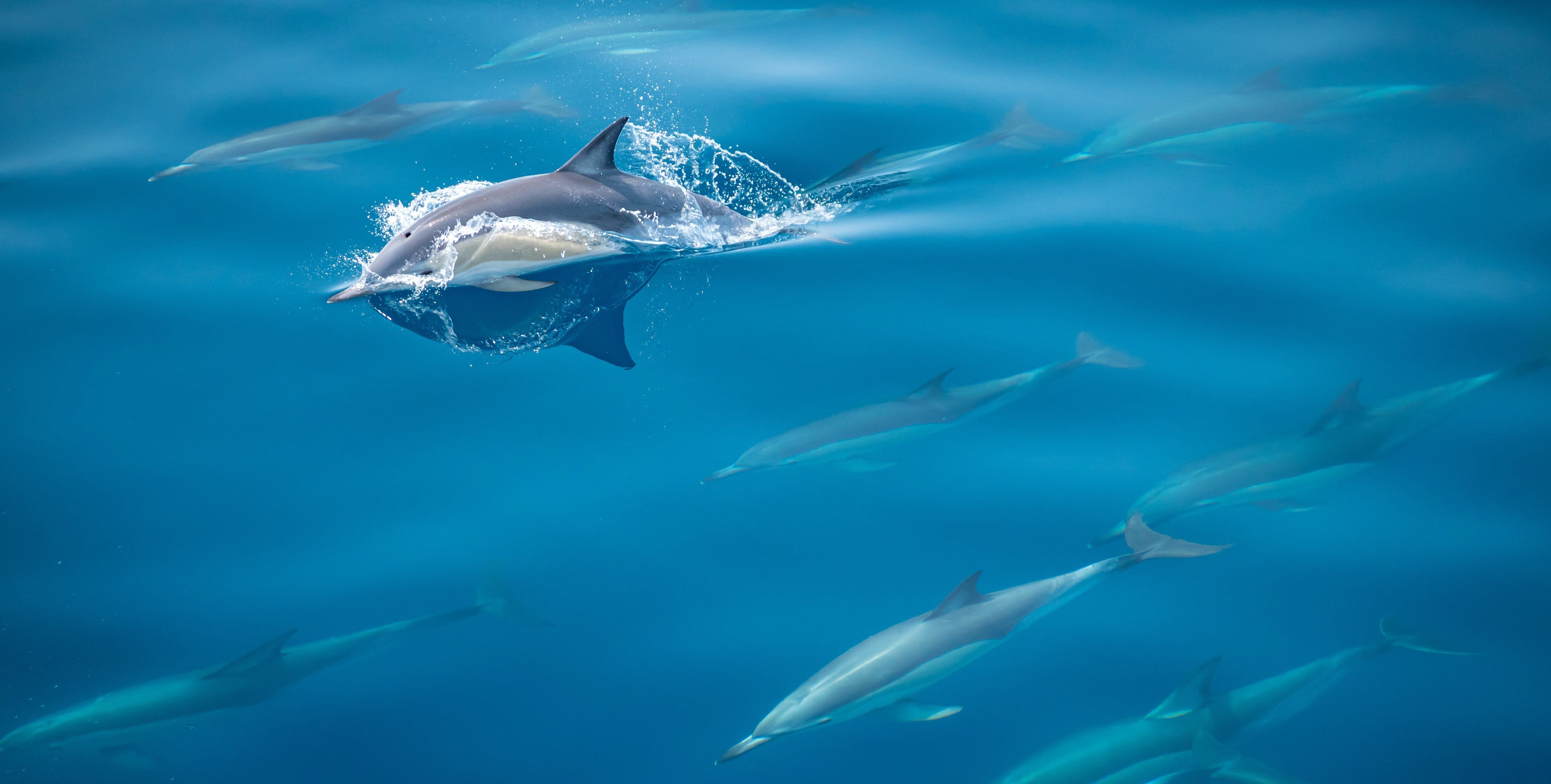
The Bay of Plenty earned its English name in 1769 when James Cook's Endeavour found Māori settlements thriving along a coastline rich in fish, shellfish, and migrating cetaceans. Three centuries later, those same nutrient-dense waters continue to draw common dolphins year-round, with Bryde's whales, orca, and pilot whales passing through on seasonal cycles tied to baitfish aggregations and ocean temperature. Tauranga sits at the junction of continental shelf and deep trench, where upwelling currents force plankton toward the surface and large pelagics follow. Marine biologists working the Bay of Plenty identified resident dolphin pods that return to predictable foraging zones within five nautical miles of Mauao, the 232-metre volcanic cone anchoring the harbour entrance. Dolphin and whale watching Tauranga departs from The Strand wharf, a working waterfront where commercial fishing vessels share mooring space with wildlife cruise operators. Most half-day tours clear the harbour bar by 09:30, running northeast toward Motiti Island or southeast along the Matakana coast, both known for dolphin sightings in water visibility that averages 12 to 18 metres during summer months. Common dolphins—smaller and faster than their bottlenose cousins—travel in pods of 20 to 100 individuals, often bow-riding and breaching in coordinated displays. Bryde's whales, the region's most frequently sighted baleen species, surface predictably when feeding, their twin blowholes releasing a three-metre plume visible at distance. Sighting frequency fluctuates with sea state, baitfish density, and seasonal migration windows, but vessel logs from Bay Explorer and similar operators report dolphin encounters on 85 percent of summer departures. The marine environment here functions as an ecological corridor. Mount Maunganui forms the eastern boundary of a drowned river valley that floods twice daily with tidal exchange, flushing nutrients into the open bay and creating feeding zones that concentrate juvenile kahawai, pilchards, and anchovies. Dolphins exploit these aggregations with coordinated hunting, driving baitfish into tight balls before striking from below. Tour naturalists aboard dolphin and whale watching Tauranga tours carry hydrophones to broadcast the clicks, whistles, and echolocation pulses that reveal dolphin behaviour even when animals swim beneath the surface. The volcanic offshore islands—Motiti, Astrolabe Reef, and the submerged caldera remnants farther east—create bathymetric complexity that traps upwelling water and sustains the base of a pelagic food web supporting everything from plankton to apex predators.

"The Bay of Plenty sits at the junction of continental shelf and deep trench, where upwelling currents force plankton toward the surface and large pelagics follow."
Your experience

What a tour day looks like

A step-by-step walkthrough of the visit — what you'll see, how long each stage takes, and the details that matter.

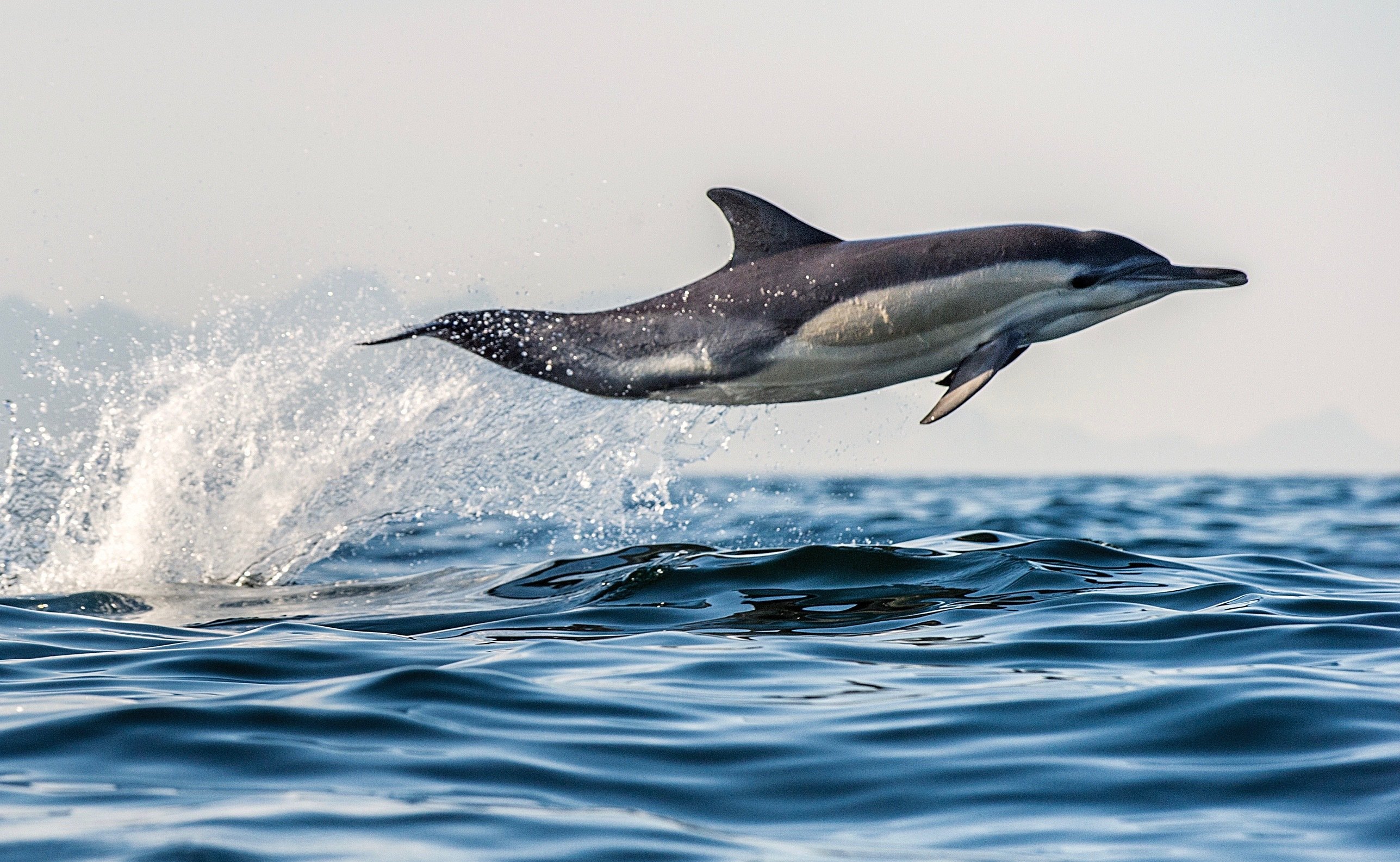
You board at The Strand wharf 30 minutes before the 09:00 departure, stepping from the waterfront promenade onto a stabilised catamaran designed for open-ocean wildlife work. The vessel clears Tauranga Harbour within 15 minutes, passing the stone breakwater and Mauao's northern flank before accelerating into the Bay of Plenty. The skipper throttles back at the first sighting—a pod of common dolphins cutting northeast at 15 knots, their dorsal fins flashing in coordinated arcs. You move to the bow rail as the animals approach, their streamlined bodies visible two metres below the surface, occasionally rising to breathe in unison. The hydrophone crackles with high-frequency clicks as the dolphins echolocate, their sonic bursts revealing baitfish schools invisible to human eyes. A juvenile breaches off the starboard quarter, twisting mid-air before re-entering in a clean splash. The naturalist points out distinguishing features—scarring on a dominant male's dorsal, the smaller size and faster movements that separate common dolphins from bottlenose species. The boat holds position for 20 minutes while the pod circles, bow-rides, and disperses, then continues southeast toward Motiti Island. On the return leg, you pass a Bryde's whale surfacing in a shallow dive sequence, its ridged back breaking the surface three times before the flukes lift clear. You dock by midday, the two-and-a-half-hour loop complete.

Frequently asked

Frequently asked questions about dolphin and whale watching tauranga tours

What are the opening hours for dolphin and whale watching tauranga?

Bay Explorer is open daily from 07:00–19:00.

How much do dolphin and whale watching tauranga tickets cost?

The standard adult price for a half-day wildlife cruise is 175 NZD per person.

When is the best time for dolphin and whale watching tauranga?

The best time for dolphin and whale watching tauranga is during the summer months from December to February when marine wildlife is most active.

Is dolphin and whale watching tauranga suitable for families?

Yes, Bay Explorer offers family-friendly experiences suitable for children and adults.

What is the cancellation policy for a dolphin and whale watching tauranga tour?

Cancellations are accepted up to 48 hours before departure; no refunds are provided within this 48-hour window.

Where is the meeting point for dolphin and whale watching tauranga?

The meeting point is at 120 The Strand, Tauranga 3110, New Zealand, opposite the i-SITE on the waterfront.

Do I need to book my dolphin and whale watching tauranga tour in advance?

Yes, bookings are essential to secure your spot on a dolphin and whale watching tauranga tour.

What happens if we do not see any wildlife?

In the unlikely event no dolphins are sighted, the operator offers a free return trip.

Are there food and drink options on dolphin and whale watching tauranga cruises?

Yes, there is a licensed bar onboard and passengers are welcome to bring their own food for the BBQ.